Theme: Nature/Culture/Spirit
Thursday, November 11th
For millennia Indigenous communities have been guardians of their environments, protecting flora and fauna, using their traditional knowledge and wisdom passed down over generations to live in balance within their ecosystems. Today Indigenous peoples safeguard 80% of the biodiversity left in the world, and protecting those lands and waters is crucial to mitigating the climate crisis, because those biodiverse areas are among the planet’s major carbon sinks. Indigenous peoples are the ancestral owners of nearly half of the intact forest left across the entire Amazon Basin. Nemonte Nenquimo, a leader from the Waorani community in Ecuador and a founding member of Indigenous-led nonprofit organization Ceibo Alliance and its partner, Amazon Frontlines, will discuss why respecting Indigenous people’s internationally recognized rights to decide the future of their territories, cultures and lives is critically urgent for the protection of our world’s most important rainforest, our climate, and life on our planet.
November 11th | 11:15 am to 11:32 am
Keynote
Nemonte Nenquimo
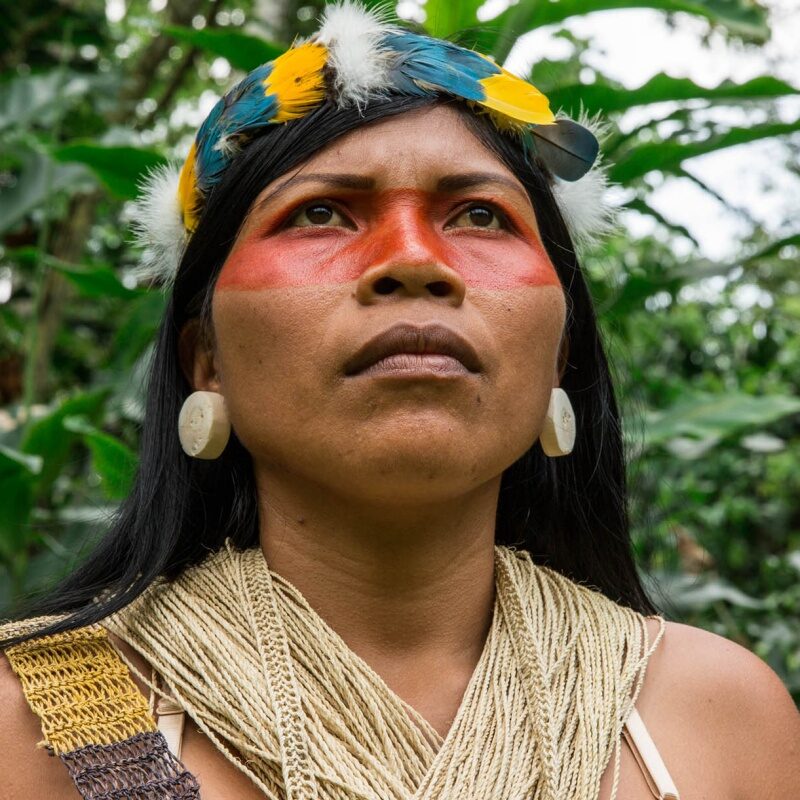
Co-Founder | Ceibo Alliance and Amazon Frontlines
Nemonte Nenquimo, an Indigenous activist from the Ecuadorian Amazon, first female president of her tribe (the Waorani of Pastaza Province) and co-founder of the Indigenous-led Ceibo Alliance and its sister organization Amazon Frontlines, was named one of Time’s 100 most influential people on Earth in 2020 (the only Indigenous woman on the list) and won the prestigious Goldman Environmental Prize among other major awards, for her struggles against the ravages of oil drilling in her people’s ancestral lands.
Trauma has perhaps never been more widely prevalent than it is now, nor more varied in its causes: personal stress, familial history, racial discrimination, poverty, oppression, climate disaster, etc. These times are really stretching our capacity to endure, so they require ever more effective healing and self-care modalities that include the taking of our personal inventory and adjusting our beliefs and lifestyles. Join two master Somatics practitioners and teachers as they share insights and explain their methods. With: Dr. Ruby Gibson (Lakota, Ojibwe, Mediterranean), author, educator and healer, co-founder and Executive Director of Freedom Lodge; and Staci K. Haines, educator, advocate, healer, co-founder of Generative Somatics and author of The Politics of Trauma.
November 11th | 12:45 pm to 2:00 pm
Panelists
Staci K. Haines
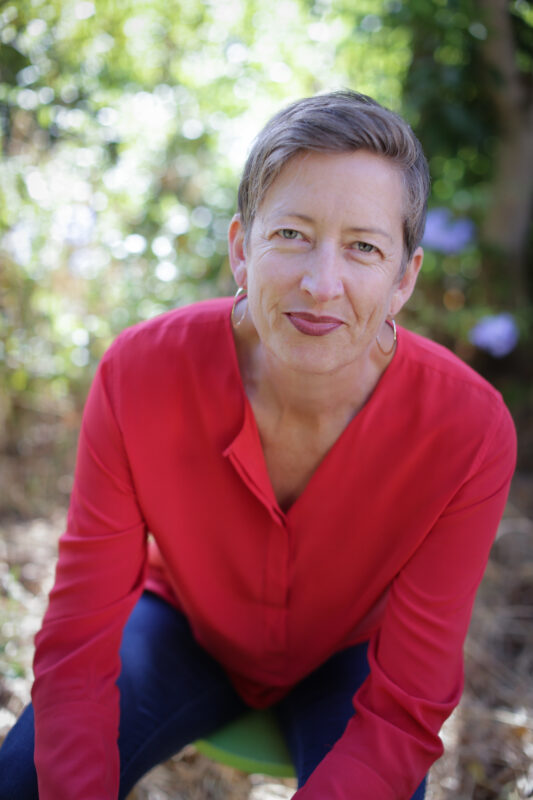
Co-Founder | Generative Somatics
Staci K. Haines, a leader in the field of Somatics, is the co-founder of Generative Somatics, a multiracial social justice organization bringing somatics to social and climate justice leaders and organizations. She specializes in somatics and trauma and leads programs for healers, therapists and social change leaders to transform the impact of individual and social trauma and violence. Her most recent book, The Politics of Trauma: Somatics, Healing and Social Justice is based on that work. Staci is also the author of Healing Sex: A Mind Body Approach to Healing Sexual Trauma and the founder of GenerationFIVE, a community-based organization working to end the sexual abuse of children within five generations.
Ruby Gibson
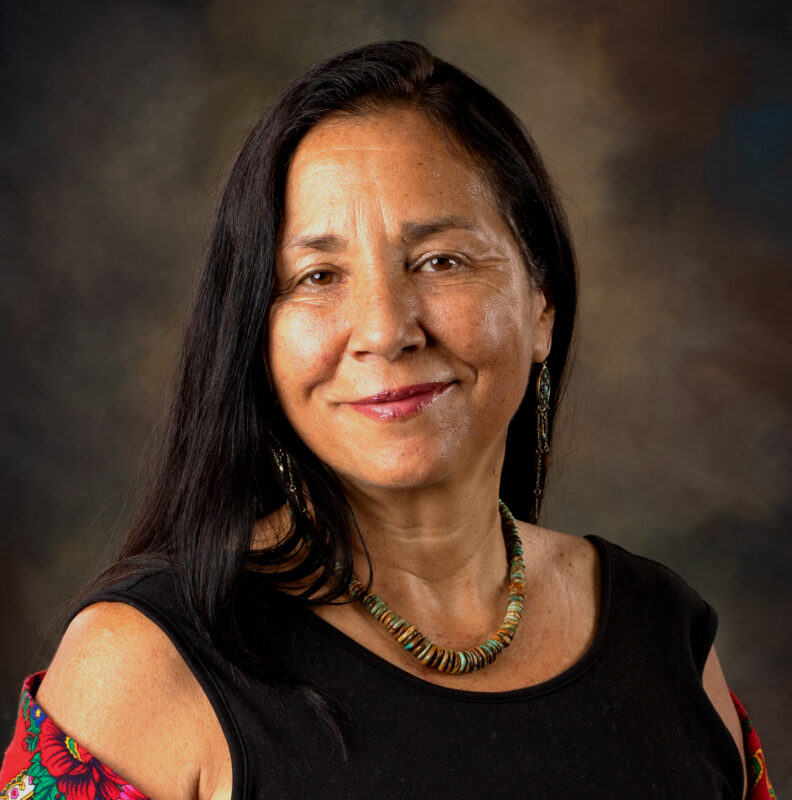
Executive Director | Freedom Lodge
Ruby Gibson, Th.D., of Lakota, Ojibwe, Mestizo and Mediterranean descent, is an educator, researcher, author and leading practitioner of Somatics, as well as a traditional healer. Executive Director of the non-profit, Freedom Lodge, which provides historical trauma healing to Indigenous populations internationally, she has done groundbreaking work bridging bodywork, Transpersonal Psychology, traditional healing and spirituality for 35 years. Author of My Body My Earth, The Practice of Somatic Archaeology, she has developed two new healing modalities: Somatic Archaeology© and Generational Brainspotting™.
Friday, November 12th
12:45 pm: Panel It’s Time the Psychedelic Community Gave Back: The Indigenous Reciprocity Initiative
The psychedelic community owes enormous debts to the Indigenous cultures that, over millennia, developed the use of consciousness-modifying substances, which laid the basis for the now ever-expanding interest in and use of these medicines. Indigenous peoples are also very often the best protectors of what’s left of global biodiversity, so finding effective, concrete ways to help support these groups’ struggles to defend their lands and rights is of utmost importance to all of humanity. So far, though, while the psychedelic world is replete with romanticized language about Indigenous worldviews, it has done very little to offer genuine, large-scale tangible support that actually reaches frontline communities, and as enormous amounts of venture capital are now pouring into the psychedelic domain, this is the time to act. The Chacruna Institute’s Indigenous Reciprocity Initiative (IRI) was created to fill that void. Come hear about this exciting new project from Joseph Mays, the IRI’s Program Director; Bia Labate, Chacruna Institute co-founder and Executive Director; and cultural anthropologist Daniela Peluso, who has extensive experience working with Indigenous communities in Peru and Bolivia. The session will also feature several videos of statements by Indigenous leaders from frontline communities throughout the Americas who are partnering with the IRI.
November 12th | 12:45 pm to 2:00 pm
Panelists
Bia Labate
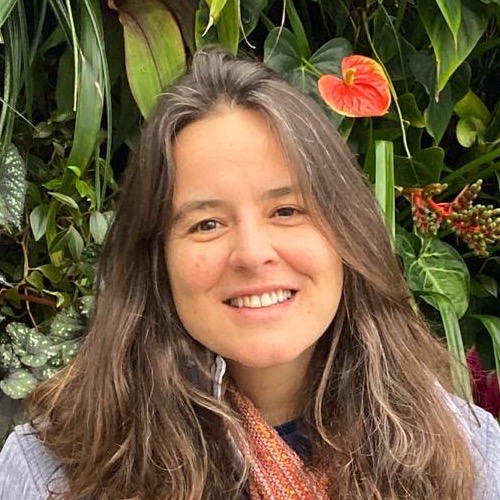
Executive Director | Chacruna Institute for Psychedelic Plant Medicines
Beatriz (aka “Bia”) Caiuby Labate, Ph.D., a San Francisco-based queer Brazilian anthropologist whose main areas of interest are the study of plant medicines, drug policy, shamanism, ritual, religion, and social justice, is Executive Director of the Chacruna Institute for Psychedelic Plant Medicines and co-founder of the Interdisciplinary Group for Psychoactive Studies (NEIP) in Brazil. Bia also serves as: Public Education and Culture Specialist at the Multidisciplinary Association for Psychedelic Studies (MAPS); Adjunct Faculty in the East-West Psychology Program at the California Institute of Integral Studies (CIIS); Diversity, Culture, and Ethics Advisor at the Synthesis Institute; and is the author, co-author, and co-editor of 24 books and a number of journals and peer-reviewed articles. (chacruna.net).
Joseph Mays
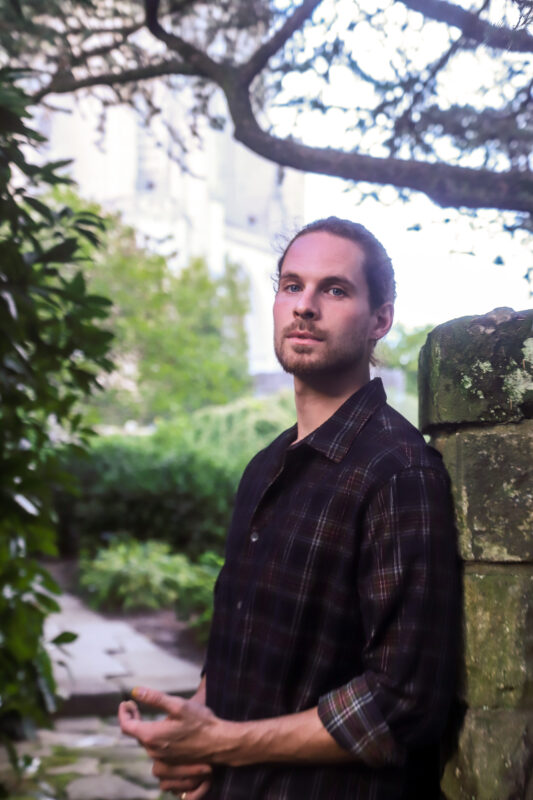
Program Director | Chacruna Institute’s Indigenous Reciprocity Initiative
Joseph Mays, MSc, an ethnobotanist, biologist, anthropologist and conservation activist who has conducted extensive cultural and ethnobotanical fieldwork in Peru and Ecuador, is the Program Director of the Chacruna Institute’s newly launched Indigenous Reciprocity Initiative of the Americas, where he conducts research and builds connections with small Indigenous communities throughout the Americas to support Chacruna’s mission of increasing cultural reciprocity in the psychedelic space.
Daniela Peluso
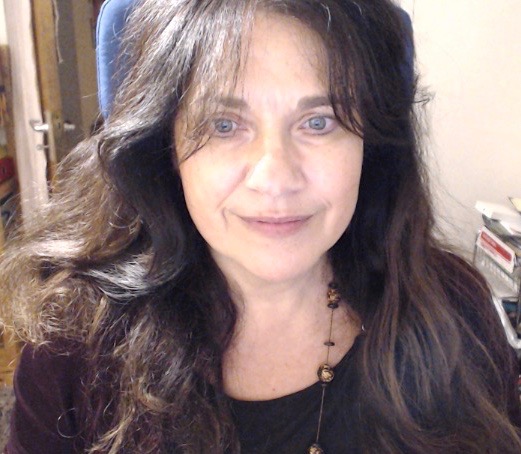
Emeritus Fellow in Social Anthropology | University of Kent
Daniela Peluso, Ph.D., Emeritus Fellow in social anthropology at the University of Kent and a member of the board of directors of the Chacruna Institute for Psychedelic Plant Medicines, is a cultural anthropologist who has worked over the last two decades in lowland South America, mostly with communities in Peru and Bolivia. She has been actively involved in various local efforts on issues relating to health, gender, Indigenous urbanization and land-rights, working in close collaboration with Indigenous and local organizations. Her publications focus mostly on Indigenous ontologies, urbanization, violence and relatedness.
As ecological destruction, climate destabilization, the global pandemic, and all forms of historical and current injustice are converging to initiate a near-death experience for our species, join a group of wise women to discuss why the combination of honoring, respecting and learning from nature, being motivated by a deep quest for justice, and cultivating the leadership of women can provide a potent, three-pronged strategic path for getting us to a world we want. With: Osprey Orielle Lake, founder/Executive Director, Women’s Earth and Climate Action Network (WECAN) International, author of Uprisings for the Earth: Reconnecting Culture with Nature; Amisha Ghadiali, a UK-based intuitive therapist, meditation and yoga teacher, host and founder of the podcast and community, The Future Is Beautiful, and author of Intuition; Naelyn Pike, renowned young Chiricahua Apache activist. Hosted by: Nina Simons, co-founder of Bioneers.
November 12th | 12:45 pm to 2:00 pm
Panelists
Amisha Ghadiali
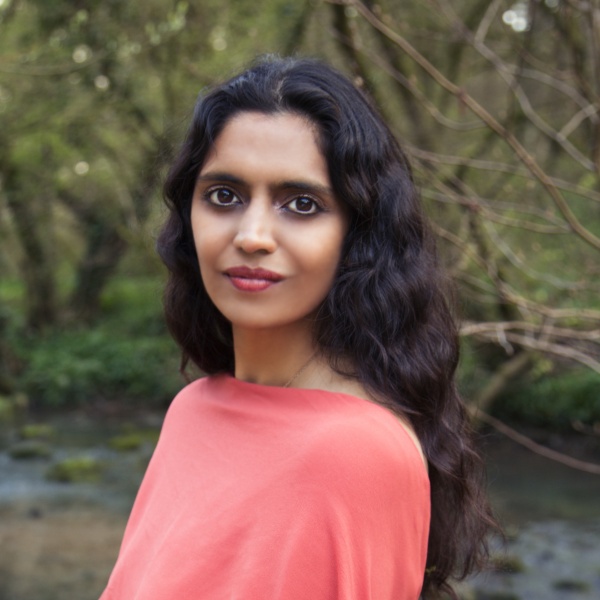
Podcast Host | The Future Is Beautiful
Amisha Ghadiali, a facilitator, speaker and writer with extensive backgrounds in sustainable fashion, socially conscious entrepreneurship, activism, meditation and yoga, is host of the globally-acclaimed podcast The Future Is Beautiful. She has led many retreats, workshops and rituals around the world, and designed programs such as: The Heart of Transformation, Wild Grace, and a residential fellowship in community facilitation leadership. She also hosts an online membership community—Presence: for Creative, Connected and Courageous Living; and works one-to-one in her Presence Leadership Mentoring program.
Osprey Orielle Lake
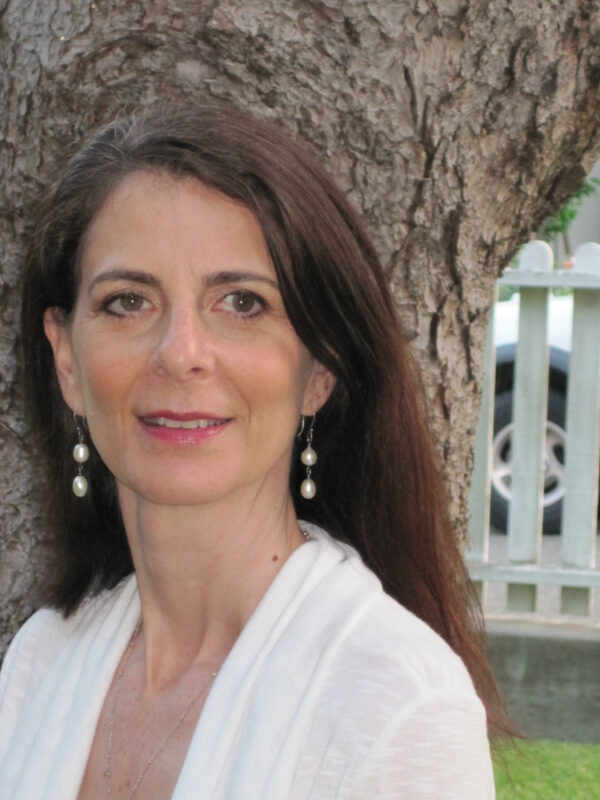
Founder and Executive Director | Women's Earth and Climate Action Network (WECAN) International
Osprey Orielle Lake, founder and Executive Director of the Women's Earth and Climate Action Network (WECAN) International, works with grassroots and Indigenous leaders, policy-makers and scientists to promote climate justice, resilient communities, and a just transition to a democratized energy future. She also serves on the Executive Committee for the Global Alliance for the Rights of Nature and is the author of the award-winning book, Uprisings for the Earth: Reconnecting Culture with Nature.
Naelyn Pike
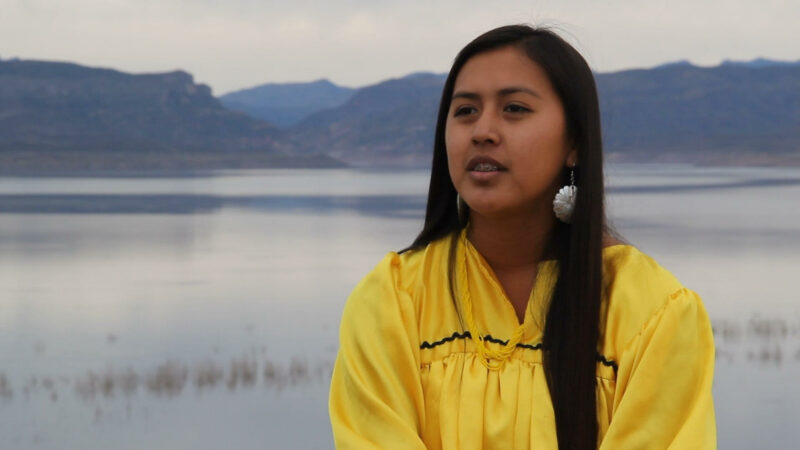
Activist and Fighter for Indigenous Rights | Apache Stronghold
Naelyn Pike, 22, is a renowned young Chiricahua Apache activist and lifelong fighter for Indigenous Rights who follows in the footsteps of her grandfather who founded the Apache Stronghold to protect their people’s sacred sites and rights. At age 13 Pike was the youngest Indigenous girl to testify before Congress. Today she continues to battle corporations and political leaders whose actions damage the Earth as she fights for environmental sustainability and Indigenous rights at the local, state, and national levels.
Nina Simons
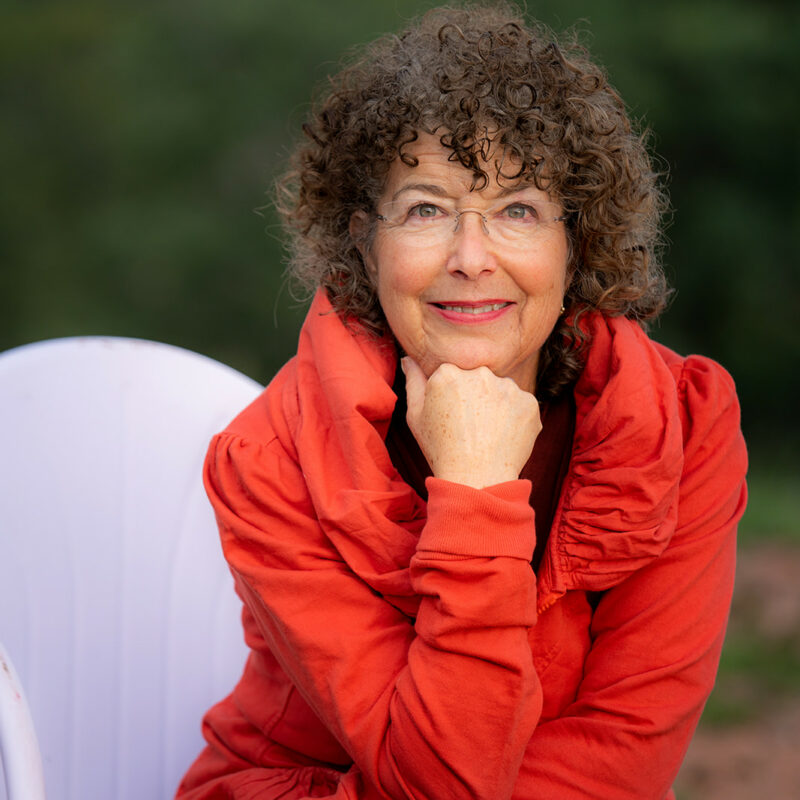
Co-Founder and Chief Relationship Strategist | Bioneers
Nina Simons, co-founder of Bioneers and its Chief Relationship Strategist is also co-founder of Women Bridging Worlds and Connecting Women Leading Change. She co-edited the anthology book, Moonrise: The Power of Women Leading from the Heart, and most recently wrote Nature, Culture & The Sacred: A Woman Listens for Leadership. An award-winning social entrepreneur, Nina teaches and speaks internationally, and previously served as President of Seeds of Change and Director of Strategic Marketing for Odwalla.
Life is made up of an elegant web of interdependent relationships and ecosystems. While we may have been taught that “competition” is the way of the wild, in fact most relationships in the natural world are dedicated to cooperation and mutual benefit. How does nature create and sustain these enduring partnerships? What is life’s secret code for collaboration? This session will reveal deep patterns from the natural world that can teach us about co-evolving for mutual benefit and offer us opportunities to apply nature’s “Four Key Criteria for Enduring Partnerships” to our own collaborative ventures. Come ready to workshop nature’s insights in order to improve partnerships in your own life or work, and to cultivate an attitude of mutuality that can help us achieve a healthy, just, regenerative world. With Toby Herzlich, Biomimicry for Social Innovation, and Brandi Mack, BSI Faculty, as dialogue partner.
November 12th | 2:30 pm to 4:00 pm
Panelists
Toby Herzlich
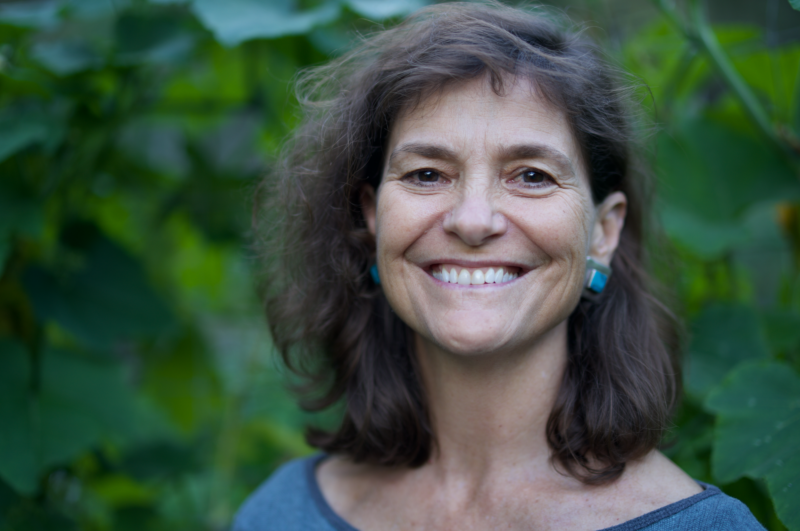
Founder and Director | Biomimicry for Social Innovation
Toby Herzlich, founder/Director of Biomimicry for Social Innovation (BSI), is an internationally recognized trainer, facilitator, and executive coach who has consulted for many organizations, including the Sierra Club, Agroecology Fund and Young Climate Leaders Network. Toby leads BSI’s Living Systems Leadership retreats and serves as faculty in Biomimicry 3.8’s two-year program for professionals. Toby sees herself as a cross-pollinator among change agents working on climate solutions and social equity, germinating a co-evolving network of leaders using nature’s intelligence for guidance and inspiration.
Brandi Mack
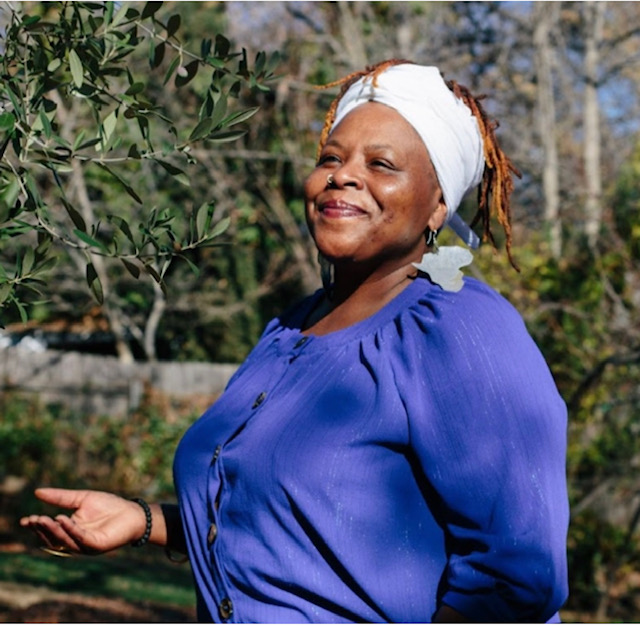
Director of Community Engagement | Designing Justice+Designing Spaces
Brandi Mack, Director of Community Engagement with Designing Justice+Designing Spaces (an Oakland-based architecture and real estate development non-profit working to end mass incarceration), Co-National Director for The Butterfly Movement (dedicated to providing personal/professional development for black women and girls), and on the faculty of Biomimicry for Social Innovation’s “Living Systems Leadership” retreat for women, is also a holistic health educator, therapeutic massage therapist, permaculture designer, living systems thought leader, and mother of three daughters.
Bioneers brings together a very diverse, discerning, engaged and reflective community, and the curated conversations around crucial topics we have been hosting recently (“Community Conversations”) have proven highly popular and stimulating. Each session begins with a very brief presentation by a noted thought leader as a “conversation starter” to frame the topic, followed by structured group discussion. At the end, a talented spoken word artist “harvests” the essence of what was said in a poetic synthesis and performs it for the group.
In this session, Anita Sanchez will start us off by drawing from her award-winning book, The Four Sacred Gifts: Indigenous Wisdom for Modern Times, to explain how unity, healing, hope-in-action, and the ability to forgive the unforgivable are the key life-tools (the “four sacred gifts”) we must cultivate if we are to achieve our full potential as a collective life-giving force in the “One Hoop of Life.” We will then engage in facilitated conversation, as we seek to bring our most creative thinking forward, and weave our hearts, minds, and voices into a collective braid.
With: Anita L Sanchez, Ph.D., (Aztec/Mexican American), deeply experienced trainer/coach, author, member of the Transformational Leadership Council, and Bioneers and Pachamama Alliance board member. Facilitated by: Amy Lenzo, weDialogue and the World Café Community Foundation; David Shaw, Santa Cruz Permaculture and UCSC Right Livelihood College. “Harvester:” Jason Bayani, author, theater performer, Artistic Director, Kearny Street Workshop.
November 12th | 2:30 pm to 4:30 pm
Panelists
Jason Bayani
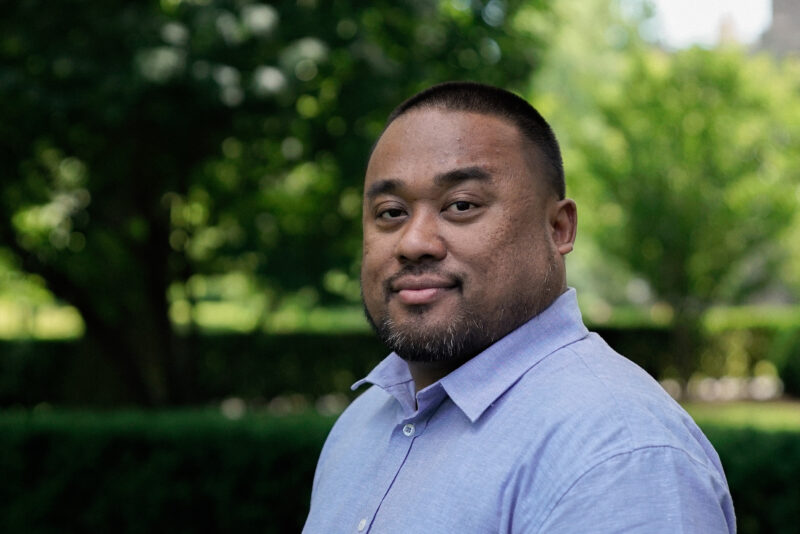
Artistic Director | Kearny Street Workshop
Jason Bayani, MFA, a theater performer and author, is Artistic Director of the Kearny Street Workshop, the oldest multi-disciplinary Asian Pacific-American arts organization in the country. A Kundiman Fellow, his published works include: Locus (a 2019 Norcal Book Award finalist) and Amulet. He has written for World Literature Today, Muzzle Magazine, Lantern Review, and other publications and performs regularly around the country. His first solo theater show was 2016’s Locus of Control.
Anita Sanchez
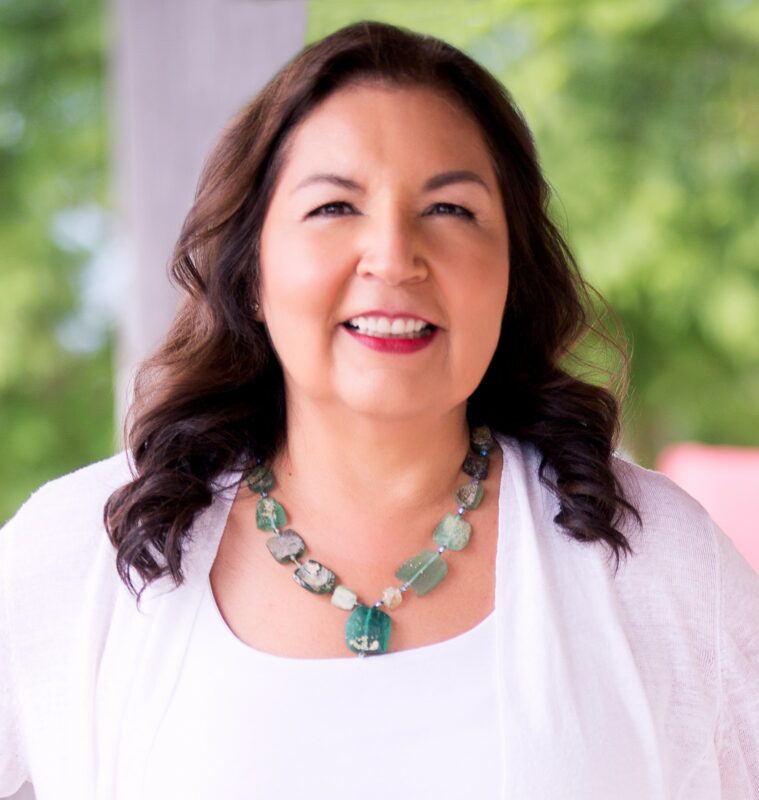
Author
Anita Sanchez, Ph.D., of Aztec and Latina ancestry, has drawn from Indigenous wisdom and modern science to guide thousands of leaders in corporations and nonprofits in creating diverse and inclusive workplaces and communities. She is the author of six books, including the international bestselling: Success University for Women in Business, and the International Latino Book Award winner: The Four Sacred Gifts: Indigenous Wisdom for Modern Times. (sancheztennis.com/anita, foursacredgifts.com)
David Shaw
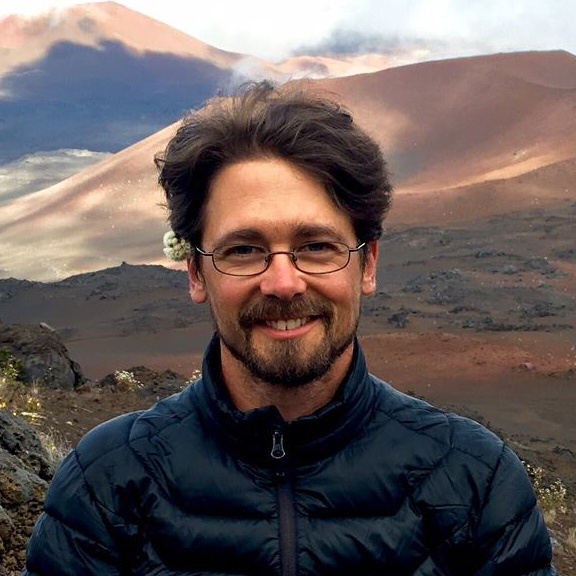
Founder | Santa Cruz Permaculture and UCSC Right Livelihood College
David Shaw, a whole systems designer, facilitator, educator, and musician, founded Santa Cruz Permaculture and the UCSC Right Livelihood College, a partnership with the “Alternative Nobel Prize.” He supports communities locally and globally to transform their shared future through strategic dialogue and collective action.
Amy Lenzo
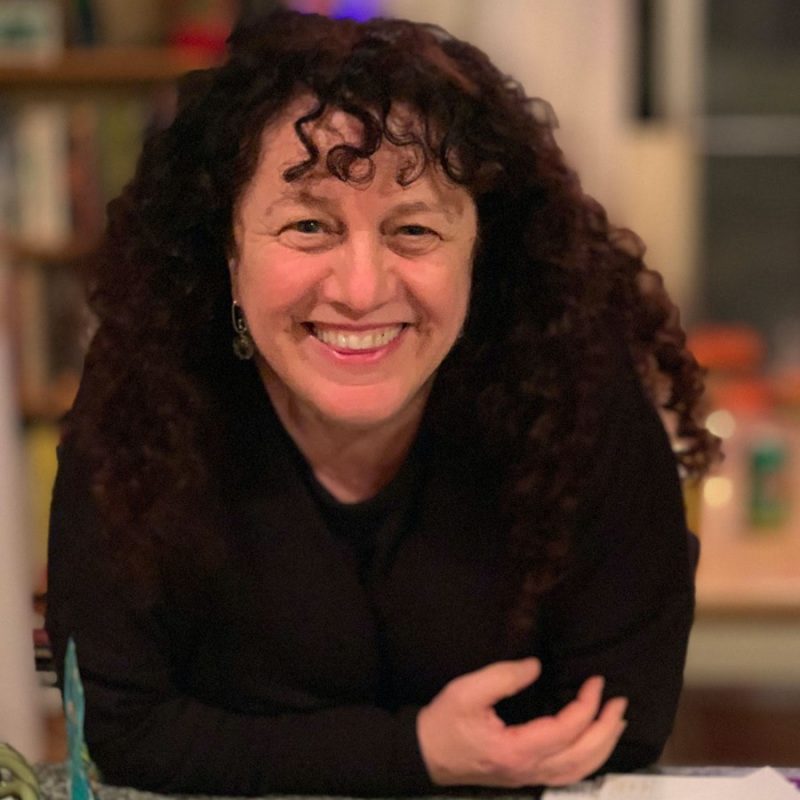
| weDialogue and the World Café Community Foundation
Amy Lenzo, who pioneered the World Cafe online process and has hosted hundreds of online World Cafes with people from all over the world since then, has been hosting conscious online engagement for over a decade and has been a cutting-edge leader in creating distinctly human interactive online spaces that help us connect with ourselves, each other and the natural world.
As we continue to face global uncertainty and move into the darker months of the year, divine darkness itself offers an invitation to our collective. While the receptive yin, the elementally dark aspect of nature, is not celebrated as much as the active, forceful yang principle, receptivity invites life into unity. From a place of receptivity, we can listen deeply to life and to each other. We can bring the complex and even contradictory aspects of our human experience into a unified field, welcoming diverse opinions, perspectives and needs beyond polarization and binary perception. Receptivity is the path of shared power rather than power over. Consider Mother Earth herself, the very archetype of receptivity: an all-powerful magnetic force with a north and south pole, holding together the atmosphere, the oceans, and all expressions of life under the unified field of Gaia consciousness. Join Deborah Eden Tull as she draws from the wisdom of Engaged Buddhism, Relational Intelligence and the natural world to offer us a profound experiential teaching on the power of receptivity.
November 12th | 2:30 pm to 4:00 pm
Panelists
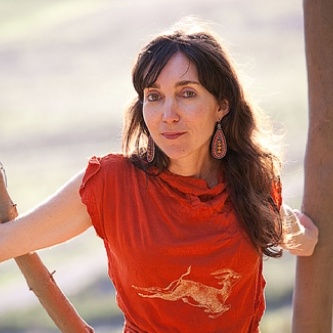
Deborah Eden Tull
Author | Relational Mindfulness
Deborah Eden Tull, a Zen meditation and mindfulness teacher, author, activist and educator who spent 7 years training at a silent Zen monastery, has been teaching dharma for 20 years and sustainability practices for nearly 30. Her teaching style is grounded in “engaged awareness,” which emphasizes the connection between personal awakening and global engagement. Author of: Relational Mindfulness: A Handbook for Deepening Our Connection with Our Self, Each Other, and Our Planet and The Natural Kitchen: Your Guide for the Sustainable Food Revolution, Eden offers retreats, online courses and consultations internationally. She also teaches The Work That Reconnects, a program created by Buddhist scholar Joanna Macy, and is affiliated with UCLA's Mindful Awareness Research Center.
Weaving Earth’s educational pedagogy critically engages inherited stories of separation and domination, while also responsibly recollecting a deeper human inheritance: stories of interrelationship, belonging, dignity and respect. In this interactive/experiential session, three leading Weaving Earth facilitators will engage in practices and dialogue that nurtures a felt sense of interrelationship with the living planet. With an emphasis on the language of the birds, pattern awareness and practices that nurture the regeneration of intuition, this session seeks to instigate a “community of practice” centered in enchantment, “attention liberation” (adrienne maree brown), and eco-social repair. With tayla shanaye; brontë velez; and Lauren D. Hage.
November 12th | 2:30 pm to 4:00 pm
Panelists
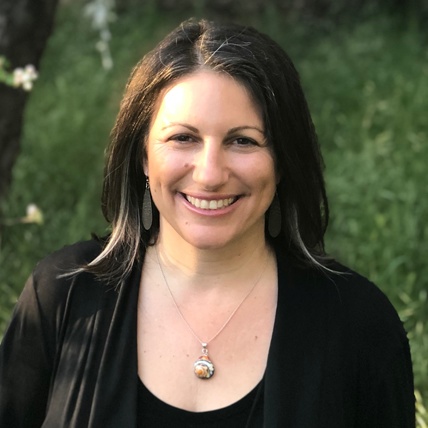
Lauren D. Hage
Executive Director and Co-Founder | Weaving Earth Center for Relational Education
Lauren D. Hage, an educator, consultant and ecological designer, is Executive Director and co-founder of the non-profit Weaving Earth Center for Relational Education, which encourages the study and practice of “Earth Intimacy,” “Co-Liberation,” “Embodiment” and “Prayerful Action” as key approaches for addressing the social and ecological crises of our times. Lauren is dedicated to supporting people to pursue their passions and shape their actions from a foundation rooted in interrelationship. Lauren comes from Ashkenazi Jewish (Russian), Sicilian, and Scottish ancestry.
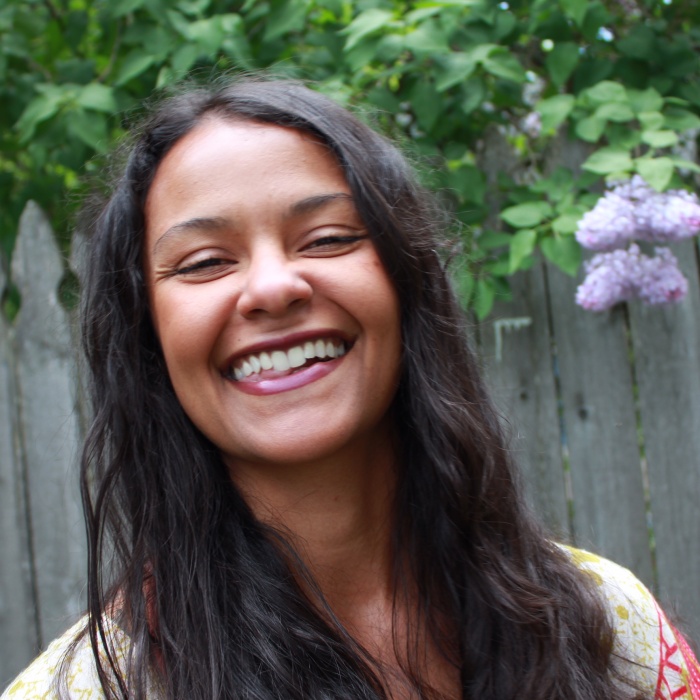
tayla shanaye
co-director and educator | Weaving Earth
tayla shanaye is a bicultural Black mother who inhabits the intersection of somatic liberation, reproductive justice, and nature connection. She is a somatic educator and therapeutic counselor focused on the resolution of racialized and gendered trauma, the Co-Director and educator at Weaving Earth Center for Relational Education, and author of several publications. She is currently pursuing a PhD in Women’s Spirituality at CIIS.
brontë velez

educator | Weaving Earth
brontë velez (they/them), a Black-Latinx transdisciplinary artist, activist, designer and educator, is the Creative Director of the Lead to Life design collective and an Ecological Educator for the Weaving Earth Center for Relational Education. brontë is also currently working on a “mockumentary” with Jazz musician Esperanza Spalding and the San Francisco Symphony Orchestra.
Saturday, November 13th
Suzanne Simard is one of the planet’s most influential, groundbreaking researchers on plant communication and intelligence. As Professor of Forest Ecology at the University of British Columbia and the author of the bestselling book, Finding the Mother Tree, she has revealed the highly complex ways trees interact and communicate, including using below-ground fungal networks that contribute to forests’ resiliency, adaptability and recovery. Her research has far-reaching implications for how to manage and heal forests from human impacts, including climate change. In this dynamic presentation, she will discuss the dire global consequences of logging old-growth rainforests, and nature-based solutions that combine Western science and Indigenous knowledge for preserving and caring for these invaluable forest ecosystems for future generations.
November 13th | 11:11 am to 11:28 am
Keynote
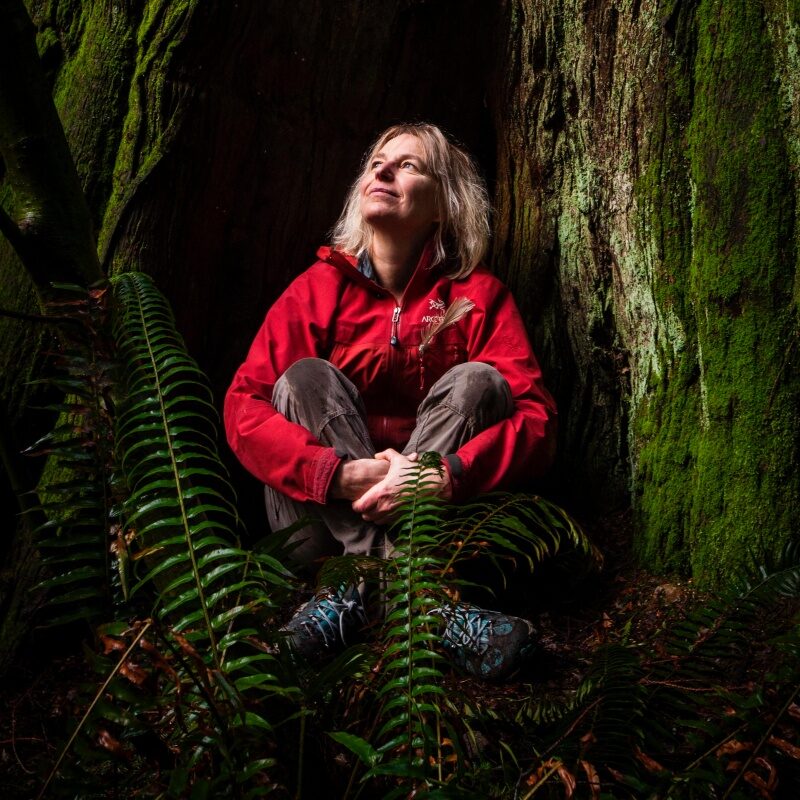
Suzanne Simard
Professor of Forest Ecology | University of British Columbia
Professor of Forest Ecology at the University of British Columbia, one of the planet’s leading experts on the synergies and complexities of forests and the development of sustainable forest stewardship practices, Suzanne Simard is a world-renowned pioneer on the frontier of plant communication and intelligence whose work has influenced several major filmmakers and novelists. She is the author of the currently best-selling Finding the Mother Tree: Discovering the Wisdom of the Forest.
We humans tend to look mostly around, sometimes up, and occasionally down, but even then, only at the surface of things. It turns out, however, that all of life on Earth actually depends on the extraordinarily dynamic life hidden beneath our feet, in the incredibly complex interrelationships of plants, bacteria, fungi, insects and minerals that make our continued existence above ground possible. In this session three of the world’s leading specialists on different aspects of those underground ecosystems will share their cutting-edge research. With: Suzanne Simard, Ph.D., Professor of Forest Ecology at the University of British Columbia, one of the planet’s leading experts on the synergies and complexities of forests, and a highly influential, world-renowned pathfinder on the frontier of plant communication and intelligence, and author of the current best-selling Finding the Mother Tree: Discovering the Wisdom of the Forest; Anne Biklé and David R. Montgomery, a wife and husband team of scientific researchers whose groundbreaking work on the microbial life of soil has revealed its crucial importance to human wellbeing and survival. Dave, a professor of Geomorphology, is the author of the seminal Dirt: The Erosion of Civilizations, and Anne, a biologist and science communicator, co-authored The Hidden Half of Nature: The Microbial Roots of Life and Health. Their latest collaboration, What Your Food Ate, to be published spring 2022, tells the sobering and inspiring story of how agriculture can help restore health to the land—and ourselves. Moderated by Bioneers’ Restorative Food Systems Director Arty Mangan.
November 13th | 12:45 pm to 2:00 pm
Panelists
Suzanne Simard
Professor of Forest Ecology | University of British Columbia
Professor of Forest Ecology at the University of British Columbia, one of the planet’s leading experts on the synergies and complexities of forests and the development of sustainable forest stewardship practices, Suzanne Simard is a world-renowned pioneer on the frontier of plant communication and intelligence whose work has influenced several major filmmakers and novelists. She is the author of the currently best-selling Finding the Mother Tree: Discovering the Wisdom of the Forest.
Anne Biklé
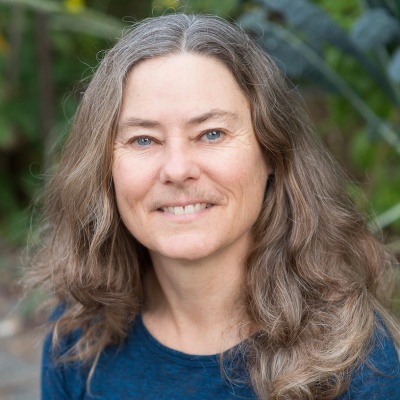
Biologist, Avid Gardener and Author
Anne Biklé is a biologist, avid gardener, and co-author, along with her husband, David Montgomery, of The Hidden Half of Nature: The Microbial Roots of Life and Health. Biklé is among the planet’s leading experts on the microbial life of soil and its crucial importance to human wellbeing and survival.
David R. Montgomery
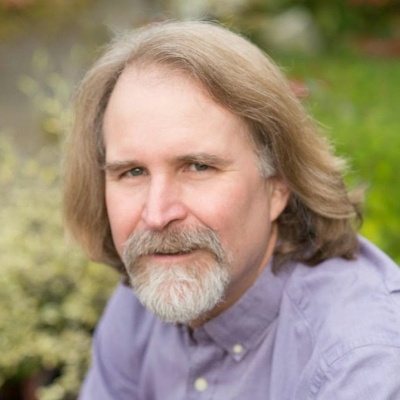
Professor of Geomorphology | University of Washington
David Montgomery is a professor of Geomorphology and, along with his wife and collaborator Anne Biklé, co-author of The Hidden Half of Nature: The Microbial Roots of Life and Health a landmark exploration the microbiome. Montgomery's research looks at the process shaping Earth’s surface and how they affect ecological systems—and human societies. He has studied everything from the ways that landslides and glaciers influence the height of mountain ranges, to the way that soils have shaped human civilizations both now and in the past. He is an elected Fellow of the American Geophysical Union and has received many awards throughout his career, including a MacArthur Fellowship and the Vega Medal. In addition to The Hidden Half of Nature, Montgomery is the author of the seminal Dirt: The Erosion of Civilizations and Growing a Revolution: Bringing Our Soil Back To Life.
Arty Mangan
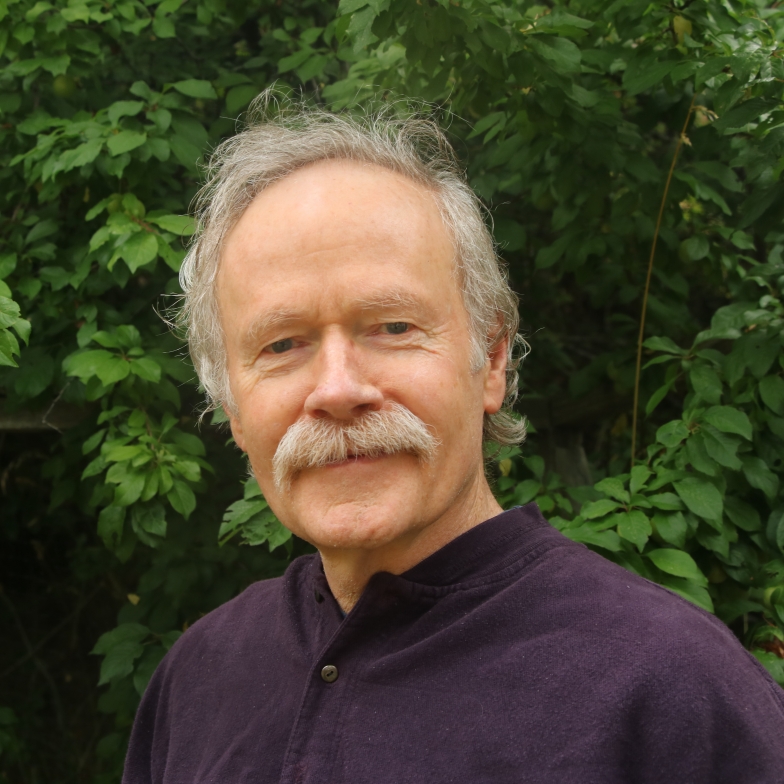
Restorative Food Systems Director | Bioneers
Arty Mangan, Bioneers' Restorative Food Systems Director, joined Bioneers in 1998 as Project Manager for the Restorative Development Initiative. A former board president of the Ecological Farming Association and member of the Santa Cruz GE Subcommittee that banned GE crops, Arty has worked with farmers and agriculture since 1978, first as a partner in Live Juice and later with Odwalla, where he was in charge of fruit sourcing.
In this experiential, restorative session, Sarah Amsler, Associate Professor of Education, University of Nottingham (UK); and Sonali Sangeeta Balajee, founder, Our Bodhi Project, will help us expand our awareness about how making place for deep rest in our intensely capitalist society can be a powerful, vital practice for healing. Drawing metaphorically from Suzanne Simard’s world-renowned research into the nurturing and “teaching” role “mother trees” play in forest ecosystems, Sonali and Sarah will support us in exploring our own sources of wisdom through experiential, creative practices, opening up new possibilities to what rest and healing can look like in our lives, our communities and our activism.
November 13th | 2:30 pm to 4:00 pm
Panelists
Sarah Amsler
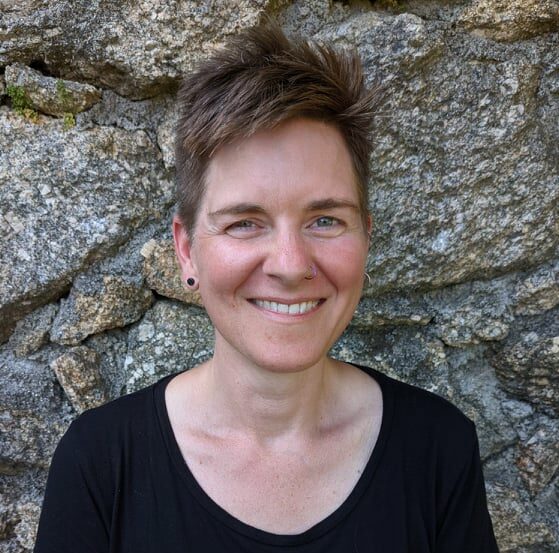
Associate Professor of Education | University of Nottingham
Sarah Amsler, an eco-social researcher, writer and educator, Associate Professor of Education at the University of Nottingham and a member of the Our Bodhi Project and the Gesturing Towards Decolonial Futures arts/research collectives, focuses in her work on how patterns of interpersonal, historical-social, epistemic, ontological and metabolic violence are reproduced in affective, embodied, conceptual, political and relational realms; and on strategies to interrupt systems of power that fuel suffering and destruction, so that other ways of being can become possible.
Sonali Sangeeta Balajee
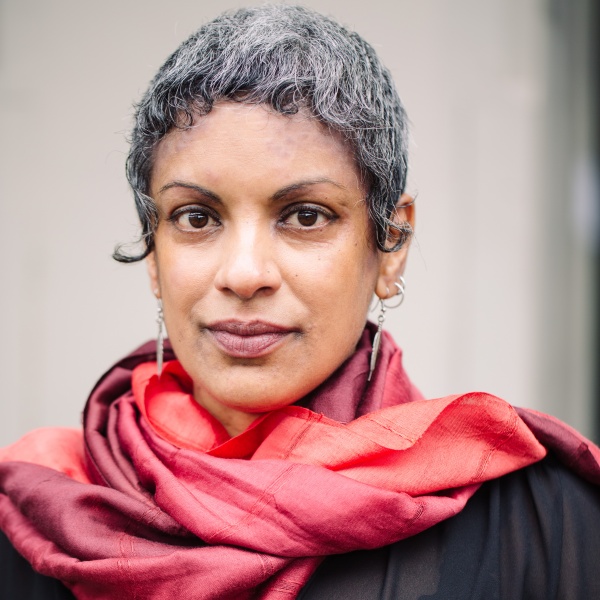
Founder | Our Bodhi Project
Sonali Sangeeta Balajee is the founder of Our Bodhi Project, which promotes practices at the intersection of Belonging, Organizing, Decolonizing, Health, and Interconnectedness. Sonali previously spent 13 years in government in Portland, OR, leading equity-based projects, has been an activist in HIV/AIDS work, environmental justice, and racial equity for 30 years, has 20 years’ experience in dance and music performance and 35 years’ practicing yoga and mindfulness. She sits on the boards of Bioneers and Worldtrust.
Although we’ve all been taught that “being professional” means suppressing our honest emotions while we’re at work, research shows that this actually leads to a loss in productivity, diminished creativity, and crushing job dissatisfaction. The workplace kicked out the emotions more than a century ago, and as a result has built unhealthy and dysfunctional environments ever since. Because of this, most of us have only worked in “unintentional communities” in which our social and emotional needs are not respected, as well as our needs for basic respect and self-determination. As we all grapple with our pandemic and post-pandemic reality, it’s high time to welcome the genius of the emotions back into the workplace so that we can create respectful, naturally motivating and emotionally well-regulated environments where people and projects can thrive. With: Karla McLaren, M.Ed., social science researcher, founder/CEO of Emotion Dynamics LLC award-winning author of several books, including: The Power of Emotions at Work: Accessing the Vital Intelligence in Your Workplace.
November 13th | 2:30 pm to 4:00 pm
Panelists
Karla McLaren
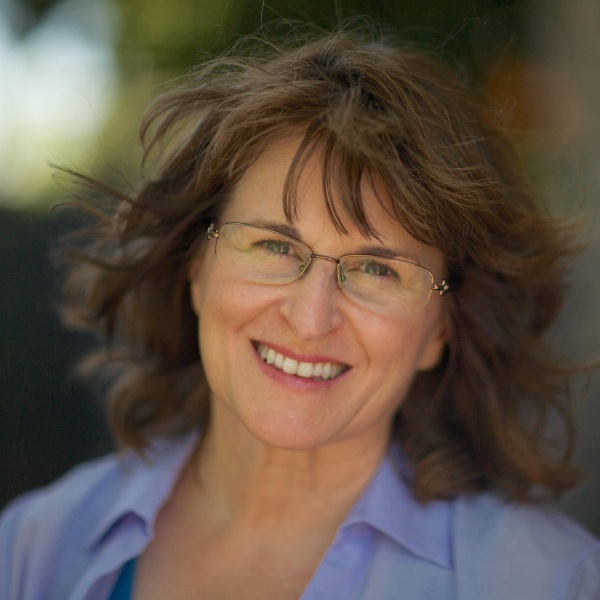
Founder and CEO | Emotion Dynamics LLC
Karla McLaren, M.Ed., an award-winning author and social science researcher, is a leading figure in the study of healthy empathy and the revaluing of “negative” emotions to help people open new pathways of self-awareness, deep healing, and effective communication. Founder and CEO of Emotion Dynamics LLC and developer of the Empathy Academy online learning site, she is the author of: The Power of Emotions at Work: Accessing the Vital Intelligence in Your Workplace; Embracing Anxiety: How to Access the Genius of this Vital Emotion; The Art of Empathy: A Complete Guide to Life’s Most Essential Skill; The Language of Emotions: What Your Feelings are Trying to Tell You; and many other titles and courses.


Let Bioneers be your hub for information and action regarding the world’s most pressing social and environmental challenges: Subscribe to the weekly Bioneers Pulse email newsletter.